 |
|
|
Home | Boating | Fishing | Diving | Water Sports | Safety | Environment | Weather | Photo Blog | Add Your Company to the Directory |
| You Are Here > Home > Florida Fishing > Freshwater Fishing |
|
There's Great Fishing in Florida! Florida's Freshwater Fish
Spinning is the most popular method of fishing because it is easy to learn how to handle the equipment. The most important advantages of this type of equipment are the elimination of the backlash problem and the capability of fishing with very light lures. Most spinning rods are made of glass or bamboo. A practical length for the beginner is six to seven feet. There are two basic types of spinning reels. The open-face reel with the spool of line exposed is mounted under the rod. The closed-face reel with the line covered by a metal funnel-type shell is mounted on top of the rod - and is controlled by a mechanical push button. The casting motion starts by pointing the rod at the target. The line should be not more than about six inches from the rod tip. Elevate the rod in casting motion to a point slightly past the overhead position and as the weight of the lure bends the rod, whip the rod forward sharply. At the same time, release the line held with your finger on an open-face reel or take your thumb off of the line -release button on the closed-face reel.
Trolling allows the angler to cover a wide area in a short period of time. This is particularly advantageous when he is in strange waters and wants a fast way to discover where the fish are located. The speed at which you troll can be determined by the speed at which you start catching fish. (Lures generally should be trolled slowly.) trolling action can be augmented by slowly lowering and raising the tip of your rod, or by giving the rod small jerks. Once a fish strikes, the boat should be stopped at once. Many fishermen also enjoy trolling because they can not only enjoy the surrounding area while the lure searches for fish, but it is also relaxing since the angler simply holds the rod and waits for the fish to attack. Rods for trolling are generally fairly stiff in order to withstand the constant bending that trolling causes and to help set the hook securely in light of the length of the line used when trolling. Lures most often used are wobblers, spoons, or spinners. Always use swivels when trolling with wobblers, spoons or spinners to prevent line twists.
|
 Fishing Lake Okeechobee This is the largest of Florida's 10,000 lakes, and the second largest freshwater lake in the United States. Lake Okeechobee (meaning "big water" in the Seminole language, is also considered the most productive bass and pan fish lake in the country. It covers 750 square miles and is home to alligators, rare birds and bald eagles. It's nickname is the "Big O." There are several marinas, bait and tackle shops and fishing guides to make sure your freshwater fishing trip is a success! is accessible by U.S. 27 from the south and S.R. 98 and U.S. 441 from the east.
Fishing Central Florida Fishing the Panhandle/Northwest Bait Casting The concept of bait casting is fairly easy to learn; however, proficiency in the sport will take a little longer. Begin by grasping your rod handle and then turn the rod until the reel handle is pointing straight up. Use your thumb as a brake on the reel spool to prevent the line from running out. Point your red at the spot where you want your lure to go. The bait should be not more than about six inches from the rod tip. Elevate the rod in the casting motion to a pint slightly past the over head position and as the weight of the lure bends the rod, whip the rod forward sharply. At the same time, release pressure n the line with our thumb allowing the lure t be on its way. You should keep slight contact with the reel in order to prevent back-lashes. As the lure hits the water, stop the spool from turning with increased thumb pressure, shift the rod and reel to your other hand and start the retrieve.
Fly Casting A fly rod is basically a long, limber pole. The basic principle of fly casting involves the springiness of the rod tip which does the work of sending the line on its way. Fly rods are generally made from fiberglass or split bamboo. A rod approximately eight feet in length, weighing four to five ounces is probably the bets choice for the beginner. Fly rods reels are generally the manual winding style or automatic winding. The fly casting procedure starts by pulling some twelve feet of line from the reel. Hold it ahead of you with your left hand. As you begin the cast, elevate the rod tip slowly at first and then increasing the speed until the rod reaches shoulder height, pause in order allow the line time to straighten out behind you. as you feel a pull on the rod tip, begin the forward cast. Increase speed until your forearm is parallel with the water. At this moment, the rod will be slightly elevated. Lower the tip of the rod until the entire rod is parallel with the water and the line and fly will quietly enter the water. As additional line is necessary, you may pull it from your reel as you repeat the casting motion.
|
||||||||||||||||||||||||||||||
 Freshwater Fishing
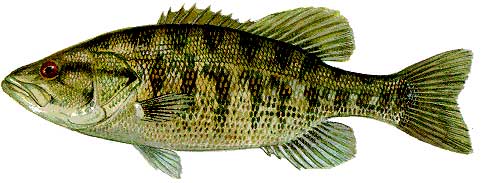
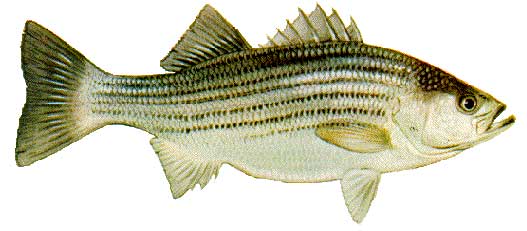
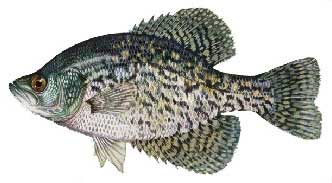
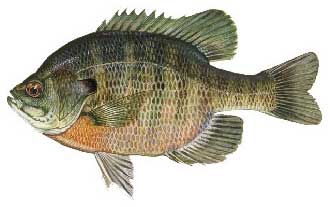
|
Privacy Policy |
Advanced
Search |
Photo Gallery
|
Add Your
Company To The Directory
|
Contact Us
|
Advertise |